

Therapeutic Riding Programs for Youth Development
Therapeutic riding programs offer a unique way to support youth development. By engaging with horses, young people can learn valuable life skills, improve their mental health, and foster emotional growth. This post explores the many benefits of youth therapeutic riding, addressing how it can impact personal development, build relationships, and provide support for mental health challenges.
Youth Therapeutic Riding: An Overview
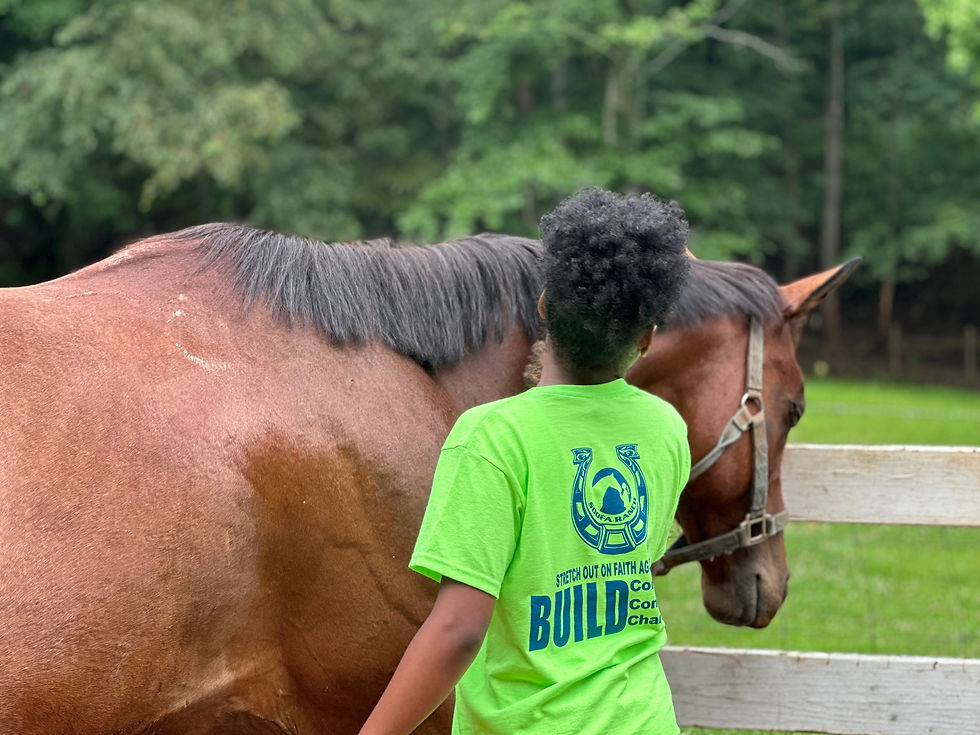
Youth therapeutic riding programs are designed to provide young individuals with various physical, emotional, and developmental benefits. These programs offer a safe space for youth to interact with horses, which can be incredibly therapeutic in nature. Studies have shown that when youth work with horses, they can develop better communication skills, enhanced empathy, and a sense of responsibility.
A wide variety of organizations provide these programs, each tailored to meet the needs of different youth populations. The programs cater not only to children with physical or emotional disabilities but also to those facing challenges such as behavioral issues, low self-esteem, or social anxiety.

Benefits of Therapeutic Riding for Youth
One of the most significant benefits of therapeutic riding is its ability to create a connection with the horse. This bond is crucial as it encourages young riders to step outside their comfort zones. Here are some key benefits of these programs:
Physical Development: Riding a horse requires balance and coordination. As youth engage in riding, their core muscles strengthen, and they improve their overall physical fitness. This is especially beneficial for children who may struggle with motor skills.
Emotional Support: The presence of horses can boost mood and reduce anxiety. Interacting with a horse can create feelings of calmness and peace, which are essential for emotional regulation in young people.
Social Skills: Working in groups fosters communication and teamwork. Youth learn to take turns, support their peers, and develop a sense of community.
Life Skills: Through the structured environment of riding programs, young individuals learn responsibility, patience, and commitment. Caring for a horse teaches them about trust and nurturing.
Self-Esteem: Achieving goals in therapeutic riding, whether it’s learning to trot or establishing a bond with a horse, significantly boosts self-confidence.
Does Insurance Cover Therapeutic Riding?
One common question that arises is whether insurance covers therapeutic riding programs. This often depends on the individual’s health insurance plan and the specific type of program they enroll in.
Many health insurance policies do recognize the therapeutic benefits of riding and may provide coverage, especially if the program is overseen by certified professionals.
For families considering these programs, it's worth reaching out to the insurance provider to inquire about coverage possibilities. Some community-based programs may also offer sliding scale fees or scholarships to make them more accessible.
Finding the Right Program
When searching for a therapeutic riding program, it's vital to find a location that meets the specific needs and interests of the youth involved. Here are some steps to guide the selection process:
Research Local Programs: Look for organizations in your area that specialize in youth therapeutic riding. Online searches and community boards can yield valuable information.
Check Credentials: Ensure that the instructors are certified in therapeutic riding and have experience working with youth.
Visit the Facility: Schedule a visit to observe the environment. A welcoming, safe, and friendly atmosphere is essential for effective learning.
Talk to Other Parents: Connecting with other families who have experience with the programs can provide insights and recommendations.
Assess Your Child’s Needs: Each child is unique, and finding a program that caters to their specific challenges and goals is crucial for success.
The Role of Parents and Guardians
Parents and guardians play an important role in the success of youth therapeutic riding programs. Their support is imperative both before and during the program. Here are some ways parents can get involved:
Encouragement: Positively reinforce their child’s experiences in the program and celebrate their achievements, no matter how small.
Engagement: Attend events, such as shows or open houses, and get involved in community rides if available.
Communication: Maintain an open dialogue with instructors about your child’s progress and any concerns that may arise.
Involving family can enhance the overall experience and lead to more significant emotional and social growth in children and adolescents.

More Than Just Riding
While the primary focus is riding, many programs incorporate additional components to enhance learning. Activities like grooming, feeding, and caring for the horses can deepen the connection with these gentle creatures. Riding lessons may include ground exercises that encourage communication skills and problem-solving abilities, equipping youth with tools that extend beyond the riding ring.
Group workshops may also be part of the experience, focusing on emotional learning and interpersonal skills. Programs that integrate these elements provide a holistic approach, benefiting overall youth development.
Creating Lasting Impacts
Youth therapeutic riding programs can have a lasting impact on children and their families. Many participants report improvements in confidence, better social interactions, and increased motivation to tackle daily challenges. As youth learn to manage their emotions and build relationships, the skills they acquire can translate into their academic and personal lives.
Programs can also foster a sense of belonging. By becoming part of a community that shares common interests, youth with different backgrounds can connect and find mutual support. The friendships forged in the riding arena can last a lifetime.
Final Thoughts
Youth therapeutic riding programs provide a rich avenue for personal development and healing. With the support of experienced professionals and dedicated families, these programs can create a nurturing environment conducive to growth. To learn more about how these programs are helping youth, visit this resource.
By investing in therapeutic riding programs, we can support the holistic development of our youth, helping them become confident, resilient individuals. Whether you are a parent considering such a program for your child or someone looking to volunteer, the benefits are profound and far-reaching. Together, we can make a difference in the lives of young individuals through the transformative power of horses.

Comments